How to Create a Simple Weekly Meal Plan for Stress-Free Cooking
Creating a weekly meal plan can transform the way you approach cooking and eating. It helps you save time, reduce food waste, and maintain a balanced diet. Whether you’re cooking for yourself, a family, or roommates, a simple meal plan can make dinners less stressful and more enjoyable.
In this post, we’ll walk through easy steps to create a weekly meal plan, plus some tips and tools to get you started.
Why Plan Your Meals Weekly?
Planning your meals ahead of time offers several benefits:
– Saves Time: No more last-minute scrambling to decide what to cook.
– Reduces Stress: Knowing what’s ahead makes mealtime smoother.
– Supports Healthy Eating: Planning meals helps you balance nutrition.
– Saves Money: You buy only what you need, reducing impulse purchases and food waste.
Step 1: Assess Your Week Ahead
Start by looking at your schedule for the upcoming week.
– How many meals do you need to plan? (Lunches, dinners, or all meals)
– Are there days when you’ll be dining out or eating on-the-go?
– Will anyone be home to cook, or do you need quick recipes?
Knowing your availability helps you decide when to plan larger or simpler meals.
Step 2: Choose Your Meals
Select meals that you enjoy and that fit your schedule.
Tips for Choosing Meals
– Pick recipes with overlapping ingredients to save money and reduce waste.
– Include a mix of proteins, vegetables, and grains.
– Consider meal prepping some dishes for busy days.
– Allow for some flexibility, such as leftovers or easy dinners.
Example Weekly Dinner Plan
| Day | Meal Idea |
|———–|——————————–|
| Monday | Grilled chicken with roasted veggies |
| Tuesday | Pasta with tomato sauce and salad |
| Wednesday | Stir-fry with tofu and rice |
| Thursday | Baked salmon with quinoa and asparagus |
| Friday | Homemade pizza |
| Saturday | Slow cooker chili |
| Sunday | Soup and sandwiches |
Step 3: Make a Grocery List
Once your meals are chosen, write down the ingredients you’ll need.
– Organize the list by categories like produce, dairy, grains, and proteins.
– Check your pantry and fridge to avoid duplicates.
– Include snacks and staples, if needed.
Using apps or templates can help you create and manage your grocery list efficiently.
Step 4: Prep Ahead
Meal prepping saves time during busy weekdays.
Some easy prep ideas:
– Wash and chop vegetables.
– Cook grains like rice or quinoa in advance.
– Portion out snacks.
– Marinate proteins overnight.
Even spending 30 minutes prepping on the weekend can make cooking faster and easier.
Step 5: Stay Flexible and Review
It’s okay to adjust your plan as the week goes on.
– Swap meals if plans change.
– Use leftovers creatively.
– At the end of the week, review what worked and what didn’t to improve next week’s plan.
Tools to Help You Meal Plan
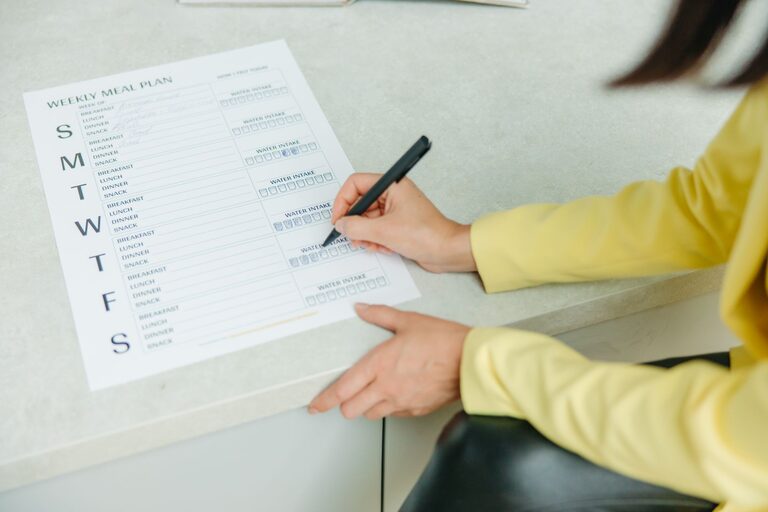
– Printable Templates: Simple weekly planners you can fill out by hand.
– Meal Planning Apps: Apps like Mealime, Paprika, or Plan to Eat offer recipe collections and grocery lists.
– Calendar Integration: Use your digital calendar to schedule meal prep times and cooking.
Final Thoughts
A simple weekly meal plan doesn’t have to be complicated or time-consuming. By planning ahead, choosing manageable recipes, and prepping when you can, you’ll enjoy stress-free cooking and healthier meals. Start small, learn what works for your lifestyle, and make meal planning a helpful routine. Happy cooking!