Practical Ways to Reduce Food Waste at Home
Reducing food waste at home is a smart way to save money, conserve resources, and contribute to a healthier planet. Many people are unaware of how much edible food ends up in the trash simply due to habits or lack of planning. Fortunately, with a few thoughtful changes, you can significantly cut down on waste and enjoy fresher meals every day. This article explores practical steps anyone can take to reduce food waste in their household.
Why Reducing Food Waste Matters
Before diving into tips, it’s helpful to understand the impact of food waste. When food is thrown away, all the energy, water, and labor used to grow, transport, and package it also go to waste. Additionally, decomposing food in landfills produces methane, a potent greenhouse gas. By wasting less food, we also reduce environmental strain and support more sustainable food systems.
Plan Your Meals Wisely
Create a Weekly Menu
One of the most effective ways to prevent food waste is planning your meals for the week. Decide what you want to cook each day and make a detailed shopping list based on those plans. This reduces impulse buying and ensures you only purchase what you will use.
Shop with a List
Stick to your shopping list to avoid buying unnecessary items that might expire before you can use them. Shopping after eating can help reduce cravings and prevent overbuying.
Store Food Properly
Understand Food Storage Basics
Different types of food require different storage conditions to stay fresh longer. For example, leafy greens should be kept in a damp paper towel inside a breathable bag, while some fruits like bananas and tomatoes do better at room temperature.
Use Clear Containers
Store leftovers and prepped ingredients in clear containers so you can easily see what you have. This helps remind you to use food before it spoils.
Make Use of Leftovers
Repurpose Meals
Instead of tossing leftovers, get creative and turn them into new dishes. For instance, roasted vegetables can be added to salads or soups, and stale bread can be transformed into croutons or breadcrumbs.
Freeze Extra Portions
If you cook in bulk, freeze portions for future meals. Label containers with dates to keep track and ensure food is used within a safe timeframe.
Buy Smarter
Purchase “Imperfect” Produce
Many stores offer “ugly” or imperfect fruits and vegetables at a discount. These are just as nutritious and tasty but often go to waste because of their appearance.
Opt for Loose Produce
Buying loose fruits and veggies allows you to purchase exactly the quantity you need, preventing surplus that might spoil.
Track What You Waste
Keeping a food waste diary for a week can reveal patterns in what you throw away. Use this information to adjust your shopping and cooking habits. For example, if you often waste fresh herbs, consider growing your own or buying smaller amounts.
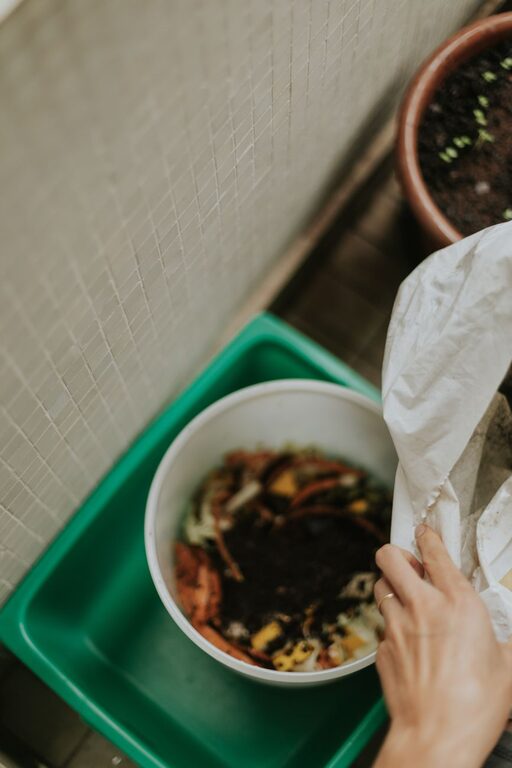
Compost Food Scraps
Even with careful planning, some food waste is unavoidable. Composting vegetable peels, coffee grounds, and eggshells gives these scraps a new purpose by enriching soil instead of filling landfills.
Additional Tips to Reduce Food Waste
– Use your freezer efficiently to store bread, dairy, and meats before they spoil.
– Check expiration dates regularly and use older items first.
– Keep a bowl on the counter for fruits that ripen quickly, so you remember to eat them.
– Understand the difference between “best by,” “sell by,” and “use by” dates to avoid discarding food that is still safe.
—
Reducing food waste at home takes some effort initially but becomes easier as habits form. By planning meals, storing food properly, using leftovers creatively, and making smarter purchases, you not only save money but play a role in protecting natural resources. Small changes in the kitchen can have a big impact. Give these tips a try and enjoy the benefits of less waste and fresher food every day!