Simple Ways to Reduce Household Paper Clutter
Managing paper clutter is a common challenge in many households. Bills, magazines, mail, receipts, and kids’ artwork can quickly pile up and create a chaotic space. Fortunately, there are simple ways to reduce household paper clutter that don’t require expensive tools or complicated systems. In this post, we’ll explore practical tips to help you take control of paper clutter, keep your home organized, and enjoy a clearer, more peaceful space.
Why Reduce Paper Clutter?
Before diving into solutions, it’s helpful to understand why cutting back on paper clutter matters:
– Saves time: Less clutter means less time spent searching for important documents.
– Reduces stress: A tidy environment can improve your mood and focus.
– Protects important papers: When organized, you’re less likely to lose or damage important documents.
– Creates space: Clearing paper piles opens up more room in your living areas.
Now, let’s look at some simple, actionable strategies you can start using right away.
1. Create a Central Paper Station
Having a dedicated spot for incoming paper can prevent stacks from spreading throughout your home.
– Use a simple tray, basket, or wall-mounted organizer.
– Label sections for “To Do,” “To File,” and “To Recycle.”
– Place the station near your main entryway or kitchen for easy access.
This way, all papers go to one place, and you can sort them regularly.
2. Go Digital Whenever Possible
Switching to digital statements and bills reduces the amount of paper you receive.
– Opt for electronic bills, bank statements, and receipts.
– Scan important documents and store them safely on your computer or in cloud storage.
– Use apps designed for document management to keep track of digital files.
Going paperless not only cuts clutter but also helps the environment.
3. Sort and Declutter Regularly
Set aside time weekly or monthly to sort through your paper piles.
– Immediately recycle junk mail and outdated flyers.
– Shred sensitive documents before tossing them.
– File important papers into labeled folders or binders.
– Keep archives for tax documents, warranties, and medical records in clearly marked containers.
Regular maintenance prevents clutter from building up.
4. Use a Simple Filing System
A straightforward filing system makes it easier to store and find papers.
– Categorize papers by type (e.g., bills, medical, insurance, school).
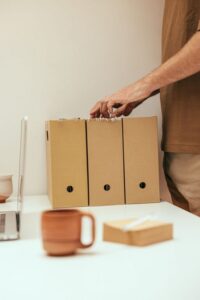
– Use color-coded folders or labeled magazines holders.
– Limit yourself to essential categories to keep the system manageable.
Avoid overcomplicating. The simpler, the better!
5. Manage Kids’ Papers Creatively
Kids often bring home a mountain of artwork, homework, and school notices.
– Create a display area with a corkboard or string and clips.
– Rotate new pieces weekly to keep it fresh.
– Take photos of sentimental items and store them digitally.
– Recycle or discard items after photographing if you’re short on space.
This balances keeping memories and reducing clutter.
6. Control Incoming Mail
Much of paper clutter comes from mail. You can take steps to reduce it.
– Unsubscribe from unwanted catalogs and newsletters online.
– Opt out of pre-approved credit card offers through official sites.
– Have your name removed from mailing lists via services like DMAchoice.
– Encourage family members to do the same.
Reducing what arrives at your door cuts clutter at the source.
7. Use Receipt Management Techniques
Receipts often accumulate quickly and can be confusing.
– Decide which receipts you must keep, such as for tax or warranty purposes.
– Store those receipts digitally by scanning or taking pictures.
– Regularly discard unnecessary receipts.
– Use apps designed to organize and track receipts automatically.
Managing receipts proactively prevents paper overflow.
8. Reuse and Repurpose Paper
Before tossing paper, consider if it can be reused.
– Use blank sides of scrap paper for notes or lists.
– Use old envelopes or packaging paper for crafts or gift wrap.
– Recycle or compost paper that cannot be reused.
Repurposing paper reduces waste and promotes creativity.
9. Set Up a Paper Recycling Routine
Have a designated recycling bin for paper that you empty regularly.
– Make recycling accessible by placing bins in convenient spots.
– Teach household members to sort recyclables correctly.
– Schedule collection or drop-off dates so paper doesn’t pile up.
Regular recycling keeps clutter under control and supports sustainability.
10. Establish Paper Habits with Your Household
Finally, involve everyone in maintaining a clutter-free home.
– Encourage family members to sort and file their papers.
– Set a weekly “paper check” day where everyone tidies up.
– Lead by example and keep your personal paper organized.
Consistent habits make a big difference over time.
—
Reducing household paper clutter doesn’t have to be overwhelming. By creating simple systems, going digital, and maintaining regular habits, you can keep your home organized and enjoy more calm and space. Start with one or two tips today, and build your clutter-free lifestyle step by step!