How to Create a Relaxing Home Workspace for Better Focus
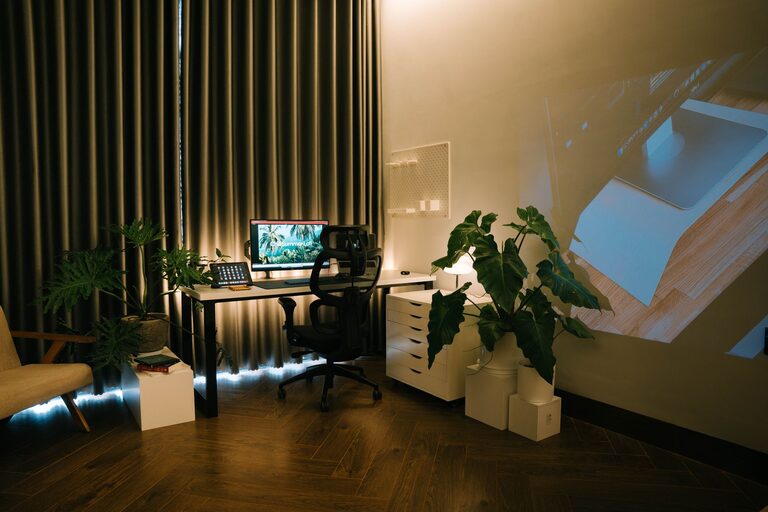
Creating a relaxing home workspace is essential for maintaining focus and reducing stress during your workday. Whether you work remotely full-time or need a quiet spot for occasional tasks, a well-designed workspace can make a significant difference in your comfort and productivity. This guide will walk you through practical steps to transform any corner of your home into a peaceful, efficient work area.
Why a Relaxing Workspace Matters
A calming environment helps lower stress levels, minimizes distractions, and keeps you motivated. When your workspace feels inviting and organized, it’s easier to concentrate and maintain a healthy work-life balance. Investing some time in creating this space pays off with improved wellbeing and better work outcomes.
Choose the Right Location
The first step is selecting the best spot in your home for a workspace. Consider these factors:
– Natural Light: Position your desk near a window if possible. Natural light improves mood and reduces eye strain.
– Quietness: Find a place away from household noise and traffic to help maintain focus.
– Space: Ensure there’s enough room for your desk, chair, and any equipment you need without feeling cramped.
If space is limited, even a small nook or a portion of a room can work with the right setup.
Invest in Comfortable Furniture
Your desk and chair are the foundation of a relaxing workspace. Prioritize comfort and ergonomics:
– Ergonomic Chair: Choose a chair with good lumbar support and adjustable height to keep your back healthy.
– Desk Height: Your desk should allow your arms to rest comfortably at a 90-degree angle.
– Footrest: If your feet don’t rest flat on the floor, consider adding a footrest.
Comfortable furniture reduces fatigue and helps you stay focused longer.
Declutter and Organize
A cluttered desk can lead to a cluttered mind. Keep your workspace tidy with these habits:
– Minimal Essentials: Only keep items you use daily on your desk.
– Storage Solutions: Use shelves, drawers, or organizers to store paperwork and supplies out of sight.
– Cable Management: Use clips or cable ties to keep cords neat and prevent tangling.
Regularly tidying your space promotes a sense of calm and control.
Personalize with Soothing Elements
Adding a few personal touches can make your workspace more inviting and relaxing:
– Plants: Small indoor plants improve air quality and bring a touch of nature indoors.
– Soft Lighting: Use desk lamps with warm light instead of harsh overhead fluorescents.
– Colors: Incorporate calming colors like blues, greens, or neutrals through paint, décor, or accessories.
– Artwork and Photos: Display a few favorite images that inspire or comfort you.
These elements help create a positive atmosphere without overwhelming the space.
Manage Noise and Distractions
A quiet environment is key for relaxation and concentration. Consider these options:
– Noise-Canceling Headphones: Ideal for blocking out background noise.
– White Noise Machines or Apps: These can mask distracting sounds with calming audio.
– Door Signs: If sharing your living space, use signs or signals to indicate when you are working.
Establishing boundaries can also help minimize interruptions from family or roommates.
Optimize Technology and Tools
Using the right tools efficiently supports a smooth workflow and reduces stress:
– Monitor Position: Keep your monitor at eye level to avoid neck strain.
– Keyboard and Mouse: Ergonomic designs can prevent repetitive strain injuries.
– Reliable Internet: Ensure a stable connection to avoid frustrating disruptions.
– Backup Systems: Regularly save your work and consider cloud storage for easy access and security.
Organizing your tech setup thoughtfully contributes significantly to a relaxing workspace.
Incorporate Break Spaces and Movement
Working long hours in one spot can be draining. Build breaks and movement into your routine:
– Break Area: If possible, have a separate comfy chair or corner to step away during breaks.
– Stretching: Set reminders to stand up and stretch regularly.
– Exercise Equipment: Simple tools like resistance bands or a yoga mat nearby encourage quick physical activity.
Taking time to move helps refresh your mind and body throughout the day.
Maintain Good Air Quality
Fresh air helps keep you alert and comfortable:
– Ventilation: Open windows regularly or use an air purifier.
– Humidity Control: Use a humidifier or dehumidifier as needed to keep air comfortable.
– Avoid Strong Scents: Limit harsh chemical cleaners or fragrances that may cause headaches.
A fresh and clean air environment supports overall wellbeing and focus.
Establish a Routine
Creating a relaxing workspace is only part of the equation; establishing a consistent daily routine is equally important:
– Set Work Hours: Define when your workday starts and ends.
– Morning Ritual: Begin with a calming activity like stretching or a cup of tea.
– Task Planning: List priorities to organize your day efficiently.
Routines help your brain associate your workspace with productive and calm periods.
—
By thoughtfully designing your home workspace with these tips, you create a peaceful, productive environment tailored to your needs. Remember that small changes can have a big impact. Regularly assess and adjust your space as needed to keep it feeling fresh and inviting. Happy working!