How to Start a Small Herb Garden Indoors: A Step-by-Step Guide
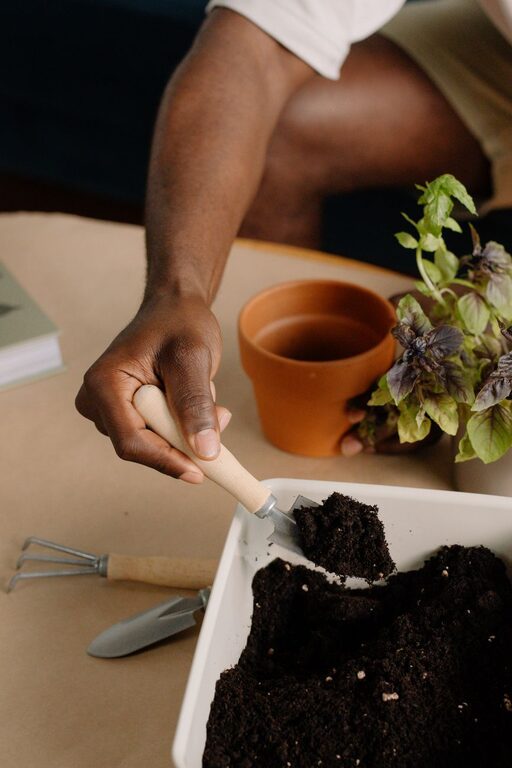
Starting a small herb garden indoors is a rewarding project that brings fresh flavors and greenery into your home. Whether you have a sunny windowsill or a small balcony, growing herbs indoors can be simple and enjoyable. This guide will walk you through the basics of setting up and maintaining your indoor herb garden, ensuring you have fresh herbs at your fingertips for cooking, teas, or natural remedies.
Why Grow Herbs Indoors?
Growing herbs indoors allows you to have fresh ingredients all year long, regardless of the season or outdoor climate. Indoor herb gardens are perfect for small spaces and can improve air quality and add a touch of nature to your living area. Plus, nurturing plants can be a relaxing and satisfying hobby.
Choosing the Right Herbs for Indoor Gardens
Some herbs thrive better indoors than others. When selecting herbs to start your garden, consider those that adapt well to indoor conditions and limited space:
– Basil: Requires plenty of sunlight and warmth.
– Parsley: Prefers indirect light and consistently moist soil.
– Mint: Grows vigorously but needs to be controlled in containers.
– Thyme: Likes bright, direct light and well-drained soil.
– Chives: Tolerates moderate light and is easy to grow.
– Cilantro: Prefers cooler temperatures and indirect light.
– Oregano: Needs lots of light and well-drained soil.
Selecting Containers and Soil
Containers
Choose pots or containers with good drainage holes to prevent water from accumulating and causing root rot. You can use:
– Small ceramic or terracotta pots
– Recycled containers with added drainage
– Herb-specific planter boxes or trays
Using individual pots for each herb allows you to tailor watering and sunlight to each plant’s needs.
Soil
Herbs generally prefer a light, well-draining potting mix. Look for a high-quality potting soil labeled for herbs or vegetables. Avoid garden soil, which can be too heavy for container gardening.
Finding the Perfect Spot for Your Herbs
Most herbs require 6 to 8 hours of sunlight daily. A south-facing window is usually ideal. If natural light is limited, you can supplement with grow lights to provide the necessary spectrum for healthy plant growth.
Be mindful of temperature; most herbs thrive in indoor temperatures between 65°F and 75°F (18°C to 24°C).
Planting Your Herb Garden
From Seeds
Starting from seeds gives you a wider variety of herbs but requires more patience.
- Fill your containers with potting mix, leaving about an inch from the top.
- Sprinkle seeds according to the packet instructions, usually thinly.
- Cover lightly with soil and gently water.
- Cover with plastic wrap or a humidity dome to retain moisture.
- Place in a warm spot until germination, then remove the cover and move to the light.
From Starter Plants
Starter plants are a quicker way to establish your herb garden.
- Choose healthy, young herb plants from a nursery.
- Gently loosen roots before planting.
- Plant in individual containers with fresh potting mix.
- Water thoroughly after planting.
Caring for Your Indoor Herb Garden
Watering
Herbs prefer moist but not soggy soil. Water when the top inch of soil feels dry to the touch. Overwatering can lead to root rot, so ensure good drainage.
Light
Rotate your plants every few days to ensure even growth. If using grow lights, keep them on for about 12–16 hours a day.
Fertilizing
Feed your herbs every 4-6 weeks with a balanced, water-soluble fertilizer diluted to half strength. Over-fertilizing can reduce the essential oils that give herbs their flavor.
Pruning and Harvesting
Regular pruning encourages bushier growth and prevents herbs from becoming leggy.
– Use clean scissors to snip leaves or stems.
– Harvest in the morning for the best flavor.
– Avoid removing more than one-third of the plant at a time.
Troubleshooting Common Issues
– Yellowing leaves: May indicate overwatering or lack of light.
– Leggy plants: Often caused by insufficient light.
– Pests: Check for spider mites or aphids; treat gently with soapy water or insecticidal soap.
– Mold or fungus: Ensure good air circulation and avoid waterlogging.
Tips for Success
– Keep a watering schedule but adjust as needed based on your home’s humidity.
– Label your pots to keep track of different herbs.
– Experiment with different containers and arrangements for better sunlight exposure.
– Use your herbs regularly in cooking to encourage pruning and fresh growth.
Conclusion
Starting a small indoor herb garden is easy with the right tools and care. By choosing the right herbs, providing adequate light, proper watering, and regular maintenance, you can enjoy fresh herbs year-round while adding beauty to your home. Happy gardening!